Health and Wellbeing

NCVO: How to handle volunteer concerns and complaints

Learn how to respond effectively and constructively to concerns and complaints raised by volunteers in this free webinar.

Managing concerns and complaints from volunteers is essential for maintaining trust, safeguarding wellbeing and strengthening your volunteer involvement.

In this webinar, we'll (NCVO) explore how to create a safe environment where volunteers feel confident to raise concerns and how to respond appropriately when they do.

Online

Bridging the Gap: Lived Experiences, Health and Homelessness

Manchester Homelessness Partnership would like to invite you to attend our next open meeting. The theme is lived experiences, health and homelessness.

There will be presentations from Shelter, Shared Health Foundation and others, along with Lived Experience speakers, networking and group discussions on calls to action.

We will be learning and sharing what is working well, what needs to be improved and what are the unmet health needs for Manchester and people experiencing homelessness.

A vegan and vegetarian lunch will be provided by Cracking Good Food.

Central Hall Manchester, Central Buildings, Oldham Street, Manchester, M1 1JQ
Shared Topic Areas

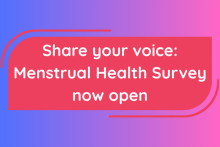
Public opinion and knowledge on period product safety

We have been working on a dedicated project focused on menstrual health for the past 18 months. As part of this ongoing work, we’re conducting a survey to better understand the knowledge, experiences, and opinions of people who menstruate, particularly around the safety and regulation of menstrual products.

Your input will help shape more informed, inclusive, and effective health policies that prioritise menstrual well-being.

Manchester Food Board – Board member vacancies

The Manchester Food Board have two vacancies for new board members.

The Manchester Food Board provides the strategic leadership to drive forward the city’s Food Strategy. It acts as a hub for connecting the people and projects working to shift towards a food system that is resilient, healthy and sustainable.

The Board is chaired by Councillor Tracey Rawlins (Executive Member for Clean Air, Environment and Transport at Manchester City Council) and is made up of a wide range of partners from across the city. The Board meets in person on a quarterly basis, in the city centre.

70+ organisations warn: specialist sexual violence services face closure

Each year in England and Wales half a million children are sexually abused and 900,000 people experience rape and sexual assault – yet the specialist services supporting survivors are facing closure.

Three of the UK’s leading sexual violence charities are warning the Home Secretary that without urgent, sustainable funding, tens of thousands of survivors will be left with nowhere to turn. 

Greater Manchester Mayor launches latest stage of campaign to tackle gender-based violence with hard-hitting film

The next stage of the Mayor of Greater Manchester’s #IsThisOK? campaign to tackle gender-based violence has been launched. Named #IsThisOK?: It’s Not A Game, Boy, the campaign aims to raise awareness of coercive and controlling behaviour.

A hard-hitting film has been released, commissioned by the Greater Manchester Combined Authority (GMCA) with local actors, and featuring a young female who experiences escalating levels of coercive and controlling behaviour from her boyfriend.

A message to people living in asylum hotels in Greater Manchester

We want you to know that we stand in solidarity with you during what can be a difficult and uncertain time. We also want you to know that the people who show hostility are a minority – they do not speak for our communities. 

We have signed a statement, alongside other voluntary, community and social enterprise sector organisations based in Greater Manchester to say we stand alongside asylum seekers with care, solidarity and hope.

Read the Statement of solidarity: asylum hotels here 
 

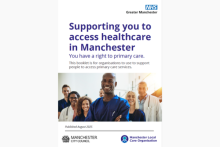
Inclusion health plan – Access to primary care

Inclusion health is an umbrella term used to describe people who experience multiple, interacting risk factors for poor health, such as stigma, discrimination, poverty, violence and complex trauma.

People in inclusion health groups often have poor experiences of healthcare services because of barriers created by service design. For example, we know that many people find it difficult to register with a GP practice and to understand their rights around registration, use of interpreters and to get services which work for them.